
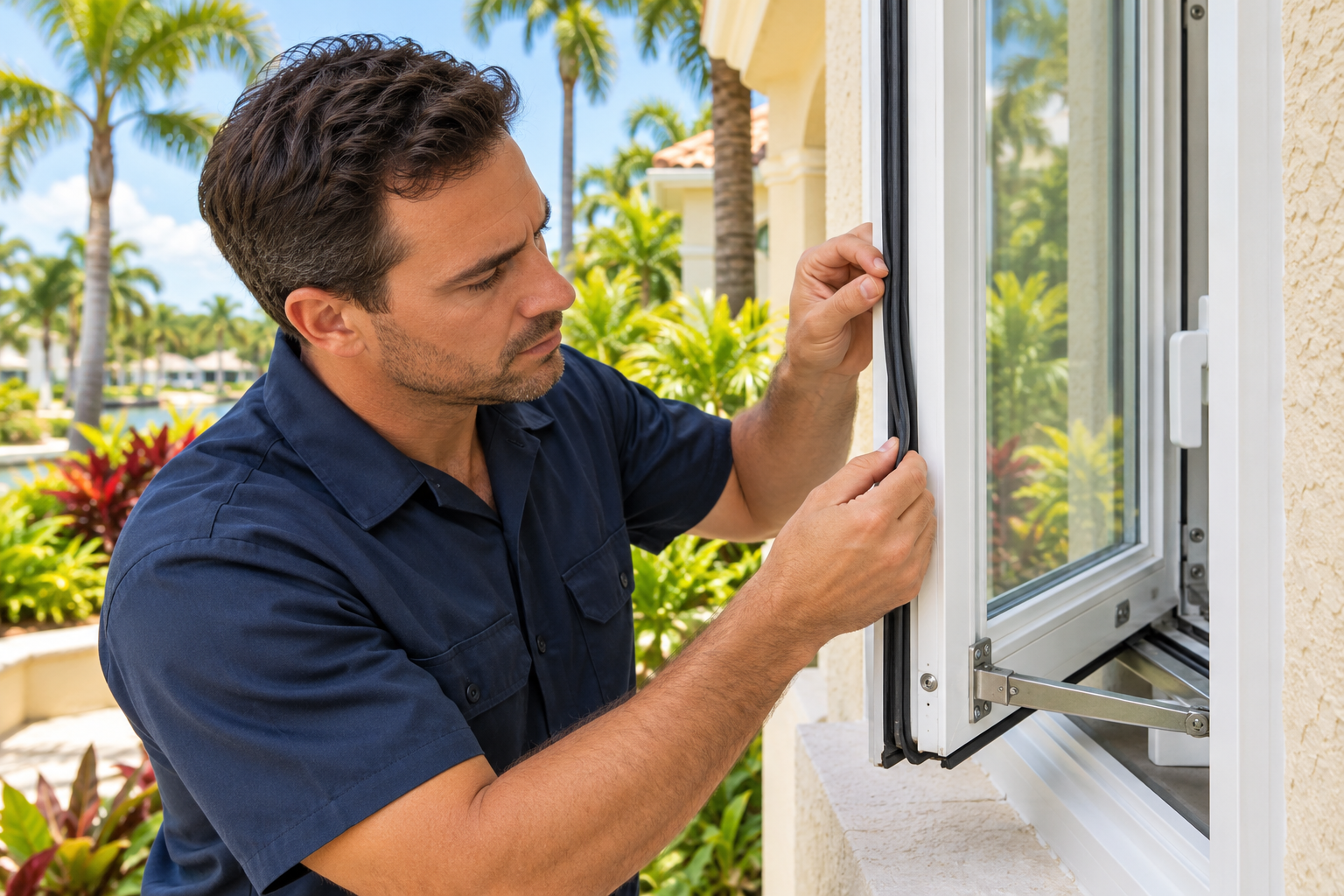
Drafty windows, worn-out door seals, and poorly fitting frames can increase your home’s heating and cooling costs without you realizing it. Even small gaps around windows and doors can allow conditioned air to escape and outdoor air to enter, making it harder to maintain a comfortable indoor temperature.
When energy bills start climbing, many homeowners immediately think about their heating and cooling systems. However, the problem isn’t always with the furnace or air conditioner. Sometimes, the issue is as simple as a door that doesn’t close tightly or a window with damaged weatherstripping.
According to the U.S. Department of Energy, windows are responsible for approximately 25% to 30% of residential heating and cooling energy use through heat gain and heat loss. While not all of this energy use is caused by maintenance problems, it shows how important windows are to a home’s overall energy efficiency.
Understanding the most common window and door problems can help homeowners identify potential energy waste, improve indoor comfort, and determine when professional maintenance may be necessary.
How Do Windows and Doors Affect Your Energy Bills?
Windows and doors are part of your home’s exterior barrier, which helps separate indoor living spaces from outdoor temperatures. When these components are properly installed, insulated, and sealed, they help limit unwanted heat transfer and air leakage.
During winter, gaps around windows and doors can allow warm indoor air to escape while cold outdoor air enters. During summer, hot outside air can enter through those same openings, increasing the amount of cooling needed to maintain a comfortable temperature.
Heat can also move directly through window glass, frames, and doors, even when there are no noticeable drafts. This is why both insulation and proper sealing matter.
When your home gains or loses heat faster than necessary, your heating and cooling equipment may need to operate longer to maintain the temperature set on your thermostat.
Although a higher energy bill can have several causes, including weather changes, utility rates, and HVAC performance, poorly maintained windows and doors are one possible contributor.
1. Worn-Out Weatherstripping Around Windows and Doors
Weatherstripping is one of the most important features for preventing air leaks around doors and windows that open and close.
It is typically made from flexible materials such as rubber, vinyl, foam, or other sealing products. Weatherstripping fills the small spaces between moving components, helping reduce the amount of outside air that enters your home.
Over time, weatherstripping can become compressed, cracked, loose, or damaged through regular use and exposure to changing temperatures.
When the material no longer forms a tight seal, drafts can develop around the edges of windows and doors. You may notice cold air entering during winter, warm air entering during summer, or light showing through the edges of an exterior door.
Replacing damaged weatherstripping is often a relatively simple maintenance task. The U.S. Department of Energy identifies weatherstripping as an effective method for reducing air leakage around movable window and door components.
Regularly checking these seals can help homeowners address minor problems before they become more noticeable.
2. Gaps and Cracks Around Window Frames
Another common cause of energy waste is air leakage around the outer edges of window frames.
Windows are installed into openings in a home’s walls, and the spaces between the window frame and surrounding structure must be properly sealed. Over time, exterior sealants can deteriorate, or gaps may become noticeable around the trim.
When these openings allow air to pass through, they can reduce the home’s energy efficiency and contribute to uncomfortable indoor temperatures.
Some homeowners notice drafts near a window even when the glass and moving parts appear to be in good condition. In these situations, the air leak may be coming from the surrounding frame rather than the window itself.
Caulking can help seal appropriate stationary gaps around window frames and trim. However, the correct material and application are important. Window drainage openings should never be sealed shut, and moisture problems should be investigated before repairs are made.
For larger gaps or recurring air leaks, professional maintenance may be necessary to identify and correct the underlying issue.
3. Doors That Don’t Close or Seal Properly
An exterior door does not need to be visibly damaged to contribute to higher energy costs.
Doors that are misaligned, sagging, or difficult to latch may not press evenly against their weatherstripping. This can leave small openings around the frame that allow outdoor air to enter.
Common causes include loose hinges, worn hardware, installation problems, or changes in the door and frame over time.
You may notice that a door requires extra force to close, catches on the frame, or allows a draft to pass through even when fully shut.
Sometimes, adjusting the hinges, strike plate, or other hardware can improve the fit. In other situations, damaged seals or structural problems may require additional repairs.
A properly fitted exterior door should close securely and maintain consistent contact with its seals without requiring excessive force.
4. Damaged Door Sweeps and Gaps Under Exterior Doors
The space underneath an exterior door is another area where unwanted air leakage can occur.
Most exterior doors use a door sweep or threshold seal to reduce airflow between the bottom of the door and the threshold. These components help prevent drafts while allowing the door to open and close normally.
With repeated use, door sweeps can wear down, become detached, or lose contact with the threshold.
When this happens, outside air can enter through the bottom of the door. In some cases, homeowners may also notice daylight, dust, or insects coming through the gap.
Replacing a worn door sweep or adjusting an appropriate threshold can improve the seal and reduce drafts.
However, the repair should not interfere with the door’s operation, required clearances, or drainage. A maintenance professional can help determine whether a simple adjustment or replacement is needed.
5. Failed Seals in Double-Pane Windows
Many modern windows use two or more panes of glass separated by a sealed space. This design helps reduce heat transfer compared with traditional single-pane glass.
The sealed space may contain air or an insulating gas, such as argon, depending on the window’s design.
Over time, the seal around an insulated glass unit can fail. One common sign is fogging or condensation trapped between the panes of glass.
Unlike condensation that forms on an accessible indoor or outdoor glass surface, moisture between sealed panes can indicate that the insulated glass unit is no longer properly sealed.
A failed seal can reduce the window’s intended insulating performance, although the amount of energy loss varies depending on the window’s construction and condition.
It’s important to understand that replacing weatherstripping or adding caulk around the outside of a window will not restore a failed seal between the glass panes.
In some cases, the insulated glass unit can be replaced without replacing the entire window. A qualified window professional can evaluate the available options.
6. Older or Poorly Insulated Windows
Not every energy-related window problem is caused by damage. Some windows are simply less energy-efficient because of their original design.
For example, older single-pane windows generally provide less insulation than modern double-pane or triple-pane windows.
Window frames also affect energy performance. According to the U.S. Department of Energy, different frame materials have different insulating properties, and some metal frames transfer heat more readily than materials such as wood, vinyl, or fiberglass.
However, having older windows does not automatically mean they need to be replaced.
Depending on their condition, improvements such as weatherstripping, caulking, storm windows, or suitable window coverings may help improve comfort and reduce energy loss.
If replacement becomes necessary, homeowners can compare energy-performance ratings and choose products appropriate for their climate.
7. Damaged or Deteriorating Window and Door Frames
Window and door frames play an important role in maintaining a secure fit and helping keep outdoor conditions from affecting indoor spaces.
Over time, frames can deteriorate due to moisture exposure, aging materials, poor maintenance, or other environmental conditions.
Wood frames may develop rot when repeatedly exposed to moisture. Other frame materials can experience damage, distortion, or problems with their connections and seals.
When a frame becomes damaged or loses its proper shape, it may no longer support a tight seal around the window or door.
This can create air leaks, interfere with normal operation, or allow moisture to enter surrounding building materials.
Minor surface damage may be repairable, but significant deterioration should be professionally evaluated. Simply applying caulk over damaged or wet materials may hide the problem without correcting its cause.
Addressing frame problems early can help protect the surrounding structure and maintain the window or door’s intended performance.
8. Windows That Don’t Close or Lock Completely
A window that appears closed may still allow air to pass through if it does not shut or latch correctly.
Window locks and latches do more than provide security. On many window designs, the locking mechanism also helps pull the moving portion of the window firmly against its seals.
When hardware becomes loose, damaged, or misaligned, the window may not close as tightly as intended.
Homeowners might notice that a window is difficult to lock, rattles during windy weather, or allows drafts around the edges.
In some cases, cleaning the window tracks, adjusting hardware, or replacing worn components can restore proper operation.
If a window is warped, damaged, or repeatedly fails to close correctly, professional maintenance may be needed.
How Can You Tell if Your Windows and Doors Are Wasting Energy?
Identifying air leaks does not always require specialized equipment. Many common problems produce noticeable warning signs.
Drafts around closed windows and doors are among the clearest indicators. You may also notice uneven temperatures between rooms, visible gaps around frames, deteriorating caulk, or damaged weatherstripping.
ENERGY STAR recommends checking for air leaks around window and door trim and notes that visible gaps, drafts, and peeling paint can be signs that further inspection is needed.
A simple way to check a window’s seal is to close it on a piece of paper. If the paper slides out easily, the window may not be sealing as tightly as it should. This is only a basic screening test, not a complete measurement of air leakage.
For a more detailed assessment, an energy professional may use a blower door test or other diagnostic equipment to locate air leaks throughout the home.
These evaluations can help distinguish window and door problems from other sources of energy loss, such as attic gaps or insufficient insulation.
Can Window and Door Maintenance Really Lower Energy Bills?
Yes. Correcting air leaks around windows and doors can reduce unnecessary heating and cooling energy use.
The U.S. Department of Energy identifies caulking and weatherstripping as effective and relatively inexpensive air-sealing methods. These improvements can help prevent conditioned air from escaping and reduce the amount of outside air entering a home.
However, the amount homeowners save depends on several factors, including the size and location of the leaks, local weather conditions, heating and cooling equipment, and the overall condition of the building.
It is also important to remember that windows and doors are only part of a home’s energy-efficiency picture. Air leaks in attics, basements, ductwork, and other areas may contribute to energy waste as well.
Maintaining windows and doors is a practical step toward improving efficiency, but it should be considered alongside the rest of the home’s maintenance needs.
Should You Repair or Replace Drafty Windows and Doors?
Homeowners sometimes assume that drafty windows or doors must be completely replaced. Fortunately, replacement is not always necessary.
If the problem involves worn weatherstripping, deteriorating caulk, loose hardware, or an improperly adjusted door, maintenance and repairs may restore a better seal.
Replacement may be worth considering when frames are severely damaged, insulated glass units have failed, components cannot be repaired, or existing windows and doors no longer meet the homeowner’s performance needs.
The decision should take into account the condition of the existing materials, repair costs, expected energy improvements, and long-term maintenance needs.
A professional inspection can help determine whether a targeted repair is sufficient or whether replacement would be a more practical investment.
How Often Should Windows and Doors Be Inspected?
Checking windows and exterior doors at least once a year is a practical maintenance habit. Additional inspections may be helpful after severe weather or when drafts, leaks, or operating problems become noticeable.
Seasonal changes are a useful reminder to examine weatherstripping, door sweeps, caulking, hinges, locks, and frames.
Before winter, homeowners can look for gaps that allow cold air to enter. Before summer, checking seals can help reduce unwanted warm-air infiltration during the cooling season.
Routine maintenance can also reveal moisture damage, loose hardware, and other issues before they become more expensive to address.
For property owners and managers responsible for multiple buildings, incorporating window and door inspections into a preventive maintenance schedule can help keep properties comfortable and functioning properly.
Frequently Asked Questions About Window and Door Energy Efficiency
Can Drafty Windows Increase My Electric Bill?
Yes. Drafty windows can allow outdoor air to enter and conditioned indoor air to escape. If your home uses electricity for heating or cooling, this additional energy demand can contribute to a higher electric bill. The actual increase depends on the severity of the leaks and other factors.
What Is the Cheapest Way to Fix Drafty Windows?
For certain air leaks, replacing damaged weatherstripping or applying appropriate caulk to stationary gaps can be a low-cost solution. The best repair depends on where the air is entering. Damaged frames, failed insulated glass, and installation problems may require more extensive work.
Do Door Gaps Make Your Heating and Cooling System Work Harder?
Yes. Gaps around exterior doors can allow unwanted air movement between indoor and outdoor spaces. This may increase the amount of heating or cooling needed to maintain a comfortable indoor temperature.
Does Condensation Between Window Panes Mean the Window Is Bad?
Condensation trapped between the panes of an insulated glass unit is a common sign of seal failure. It does not necessarily mean the entire window frame needs to be replaced, but the glass unit should be evaluated for repair or replacement.
Is It Better to Replace Windows or Reseal Them?
If the windows are otherwise in good condition and the problem is limited to air leaks around frames or moving parts, resealing may be sufficient. If the windows have extensive damage or poor overall thermal performance, replacement may provide additional benefits. A professional evaluation can help identify the appropriate option.
Can Window and Door Maintenance Help During Both Summer and Winter?
Yes. Proper sealing can reduce unwanted air leakage throughout the year. During winter, it helps limit the movement of warm indoor air to the outside. During summer, it helps reduce the amount of hot outdoor air entering the home.
Final Thoughts: Small Window and Door Problems Can Lead to Higher Energy Costs
Window and door problems may seem minor, but they can affect your home’s comfort and energy efficiency throughout the year.
Worn weatherstripping, damaged caulking, misaligned doors, failed window seals, and deteriorating frames can all contribute to unnecessary heat transfer or air leakage.
The good news is that many of these problems can be addressed through routine maintenance and targeted repairs rather than complete replacement.
Keeping windows and doors properly maintained can help reduce energy waste, improve indoor comfort, and protect the condition of your property.
Need Help With Window and Door Maintenance?
If your windows are drafty, your exterior doors are difficult to close, or you’ve noticed gaps and worn seals around your property, professional maintenance can help identify the problem.
A qualified maintenance team can inspect common trouble spots, perform appropriate repairs, replace worn sealing materials, and help keep windows and doors functioning properly.
Whether you own a home, manage rental properties, or maintain a commercial building, addressing small maintenance issues early can help prevent larger problems and support better long-term property performance.
Contact Joe Hillman Maintenance & Construction to discuss your window and door maintenance needs. Call 954-473-1400 or request service online.
Need reliable commercial or residential repairs in South Florida?
Need reliable commercial or residential repairs in South Florida?
Trust Joe Hillman Maintenance & Construction—delivering expert carpentry, maintenance, cabinet repair, tile installation, and more since 1987. Contact us today for dependable, long-lasting results.